Phoenix Flight
Salvage the living
- Every creature is a one-off, grown from its own genome. Its body is its stat line: a longer tail really does reach further.
- Catch it, clone it, fight with it. Paralyse wildlife, scan it, clone it into a working army and splice strains into things that never existed.
- The economy costs the planet. Marrow, the only currency, is the planet's own biology, and every vein you drain speeds up the collapse you were hired to outrun.
- You are not a savior. You are a repossession agent for a bank, with a sarcastic contract-compliance AI keeping you updated on your invoice.
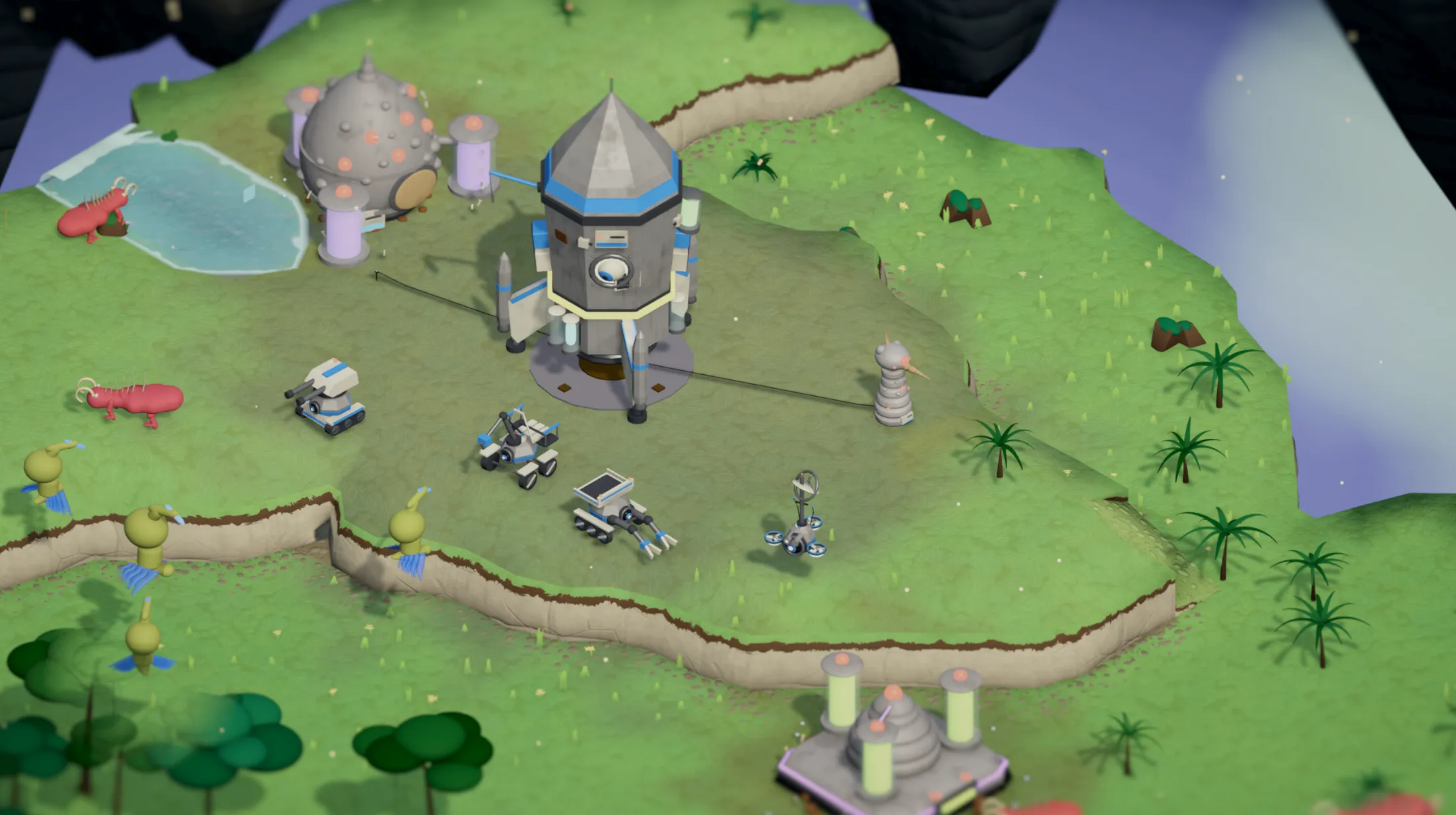
Nothing was modeled. Everything was grown.
Every creature in Phoenix Flight grows from its own genome, and that one genome decides the mesh, the animation, the stats and the weapons. A long tail really does give more reach, and a missile pod really does lob at twelve meters. Even its armor comes from what it’s made of: flesh, crystal or machine. The game gives each strain a scientific name, and you can rename it. What you name is yours.
Catch it. Clone it. Fight with it.
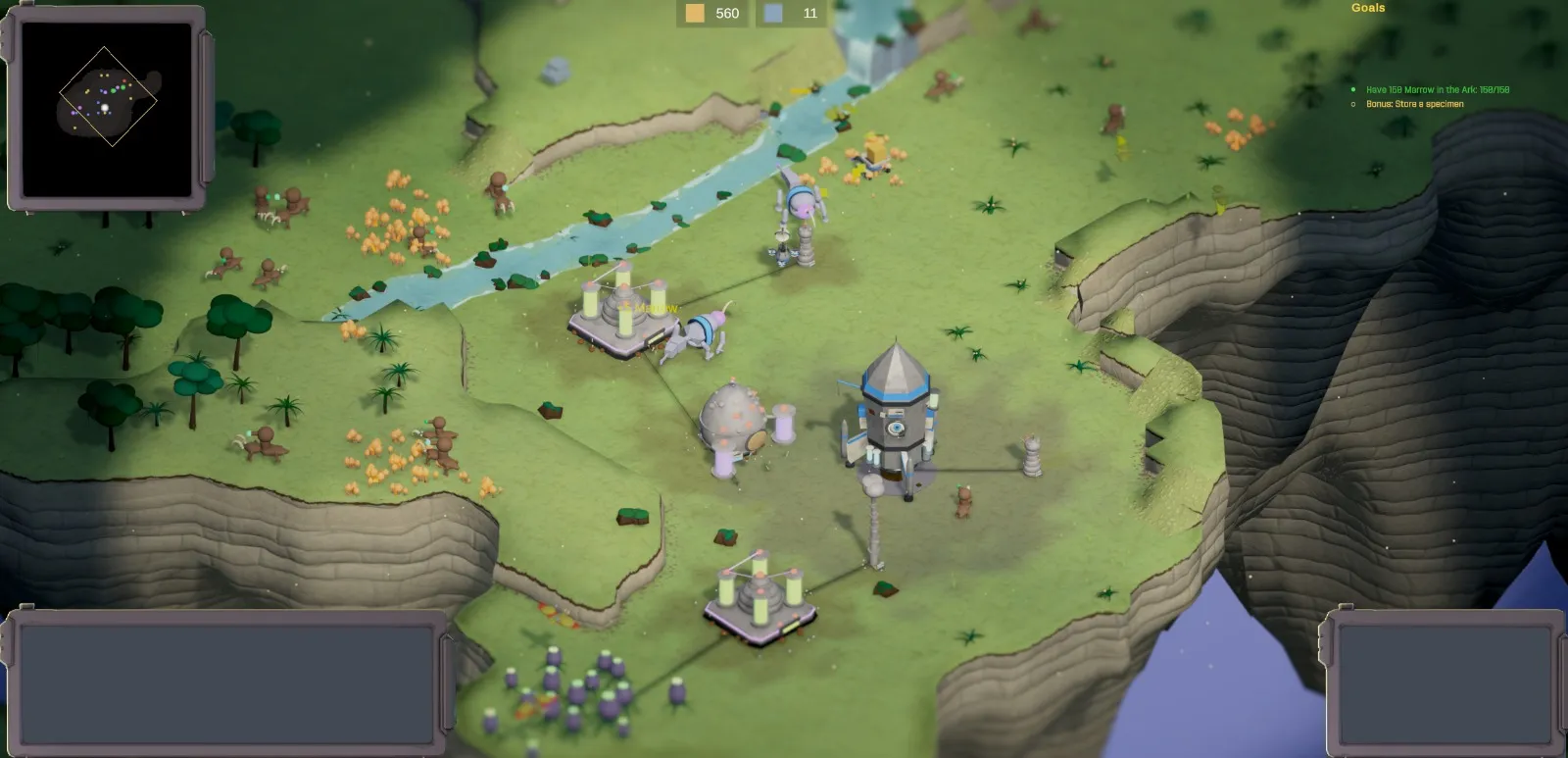
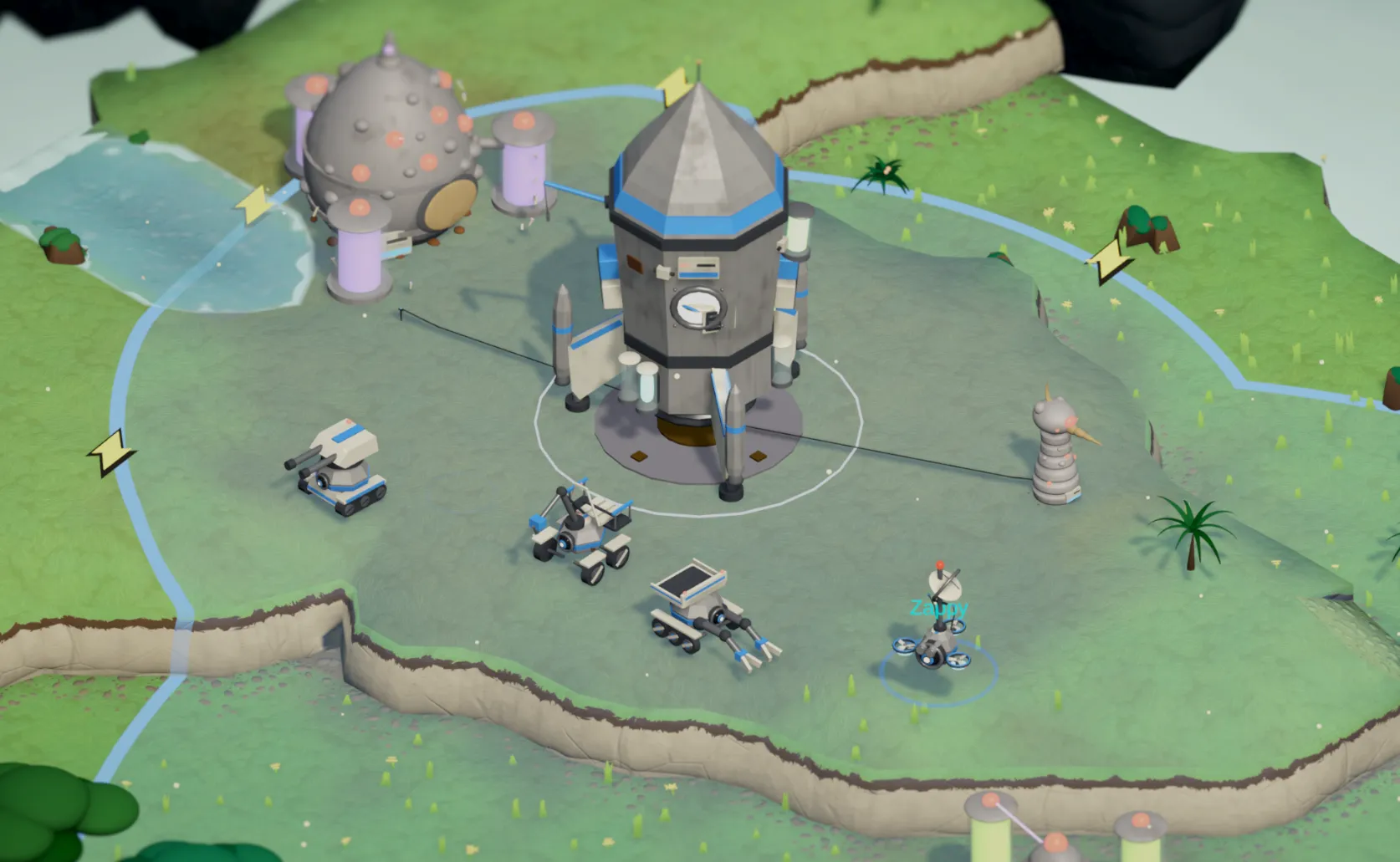
You land on a dying alien world with an Ark and a handful of drones. Paralyse the local wildlife, scan it and store its DNA. Then build around what you caught: store DNA and the Hatchery opens, clone something and the Fodder Field opens, and the rest of the base follows from there. Your clones gather, guard and fight for you. Splice two strains and you get something that never existed. Fliers, spitters, stingers and walking tank guns all come out of the same generator.
The economy costs the planet
Your only currency is Marrow, the planet’s own biology. It runs through the crust, the plants and the animals alike. Veins you drain don’t come back, and draining them speeds up the collapse you were hired to outrun. The clock is always running. Launch before the world finishes dying, or during its last few minutes if you have to.
You are not a savior
You work for the Galactic Vitality Reserve, a bank that underwrites biospheres. A dying world is a defaulting asset, and you are there to recover the collateral. The Reserve never threatens you. It invoices you. Your narrator is the Ark’s contract-compliance AI, leased along with the hull and just as unable to quit.
A story told in runs
An optional three-mission tutorial, then a Main Story in three chapters. Each chapter is a run of 4-6 missions on planets you pick from three cards (biome, condition, modifier, natives), with story missions at fixed points and a boss at the end. Your four DNA samples travel with you, so every run grows a different army. Rival contractors race you to the launch: in Chapter 1, the Ark Grace Period and the Ark Rookery. If you fail a mission, you retry it. A run never ends on a loss.
Where it stands
- Playable today: the tutorial and Chapter 1 across seven biomes, plus online Versus (1v1, 2v2, 1v3, free-for-all) and a skirmish mode against CPU rivals.
- Coming: Chapters 2 and 3, then an endless mode.
- Playtest in Q4 2026: the first outside players get the tutorial plus Chapter 1.
- No generative AI. The creatures come from an algorithm, not a model.
Support Phoenix Flight
Wishlist now. It genuinely helps.
Wishlists are how indie games get seen. One click tells the algorithm this world deserves to exist, and you get pinged the moment it launches.
Follow Phoenix Flight
Get playtest invites, the launch date, and devlog highlights straight to your inbox.
About Phoenix Flight
What is Phoenix Flight?
Phoenix Flight: Salvage the Living is a real-time strategy roguelike. You land on a dying alien world as a contractor for the Galactic Vitality Reserve, paralyse and capture its wildlife, clone it into an army, and launch before the planet dies. Every creature is grown procedurally from its own DNA, and that DNA decides its body, its stats and its weapons.
How does the campaign work?
After an optional three-mission tutorial, the Main Story runs over three chapters, and each chapter is a roguelike run of 4-6 missions on planets you pick from three cards, with story missions at fixed points, random missions in between and a boss at the end. Your DNA samples travel with you, so every run grows a different army. A failed mission is retried rather than ending the run. An endless mode follows the Main Story.
Does Phoenix Flight have multiplayer?
Yes. Versus matches already work online in 1v1, 2v2, 1v3 and free-for-all, and a skirmish mode lets you play the same match against CPU rivals on your own machine.
Who is making Phoenix Flight?
Phoenix Flight is developed by Zisomedia, an independent studio. It is built in Unity. The creatures are generated by an algorithm rather than modeled by hand, and there are no generative-AI assets in the game.
What platforms will Phoenix Flight be on?
Phoenix Flight is in development for PC and will release on Steam first. Consoles may follow later.
When does Phoenix Flight release?
Phoenix Flight is in active development and has no release date yet. The tutorial and Chapter 1 are playable in current builds, and a playtest with both is coming in Q4 2026. Join the mailing list to hear when the Steam page goes live and the playtest opens.